
24/7 Emergency Line Open
Water Heater Repair in Centennial, CO: No Hot Water, Leaks and Noise
The shower runs cold, or there is a puddle at the base of the tank, and the real question is whether to repair the heater or replace it. The answer depends on what failed, how old the unit is and whether a part or a tank is the problem. A plumber can usually tell within one visit, and a repair that costs little is not a reason to replace a healthy tank.
- Licensed and insured plumbers
- Same-day service when available
- 24/7 emergency dispatch
Gas vs electric water heater repair: how the problem differs
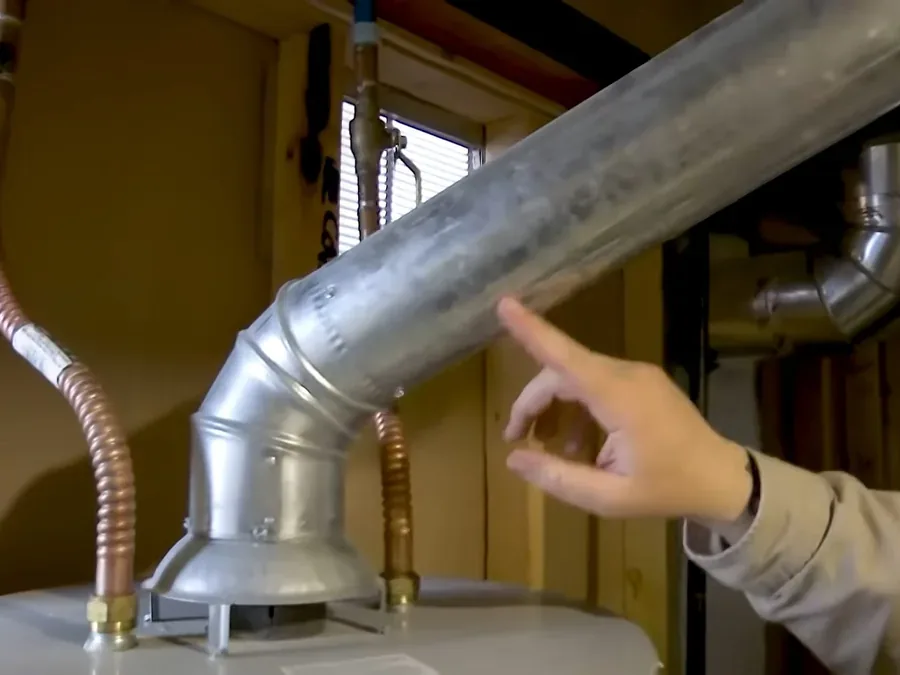
A gas heater and an electric heater fail in different places, so the first useful fact is which one you have. A gas unit has a burner, a pilot or igniter, a thermocouple and a vent. An electric unit has one or two heating elements and thermostats. The tank, the dip tube, the anode rod and the relief valve are the same on both.
| Fault | Gas heater | Electric heater |
|---|---|---|
| No hot water at all | Pilot or igniter out, burner not lighting, thermocouple failed | Tripped breaker, failed upper element or thermostat |
| Lukewarm water only | Dirty burner, partly blocked vent, thermostat set low | Failed lower element, one element out |
| Rumbling or popping | Sediment baked onto the tank bottom | Sediment around the elements |
| Water at the base | Failed tank, loose fittings, dripping relief valve | Failed tank, loose fittings, dripping relief valve |
A gas smell means everyone leaves first, and 911 or your gas utility gets the call from outside. The same goes for a carbon monoxide alarm sounding near a gas heater. Never plug or cap a relief valve discharge pipe.
A leaking tank: repair what leaks, replace what failed
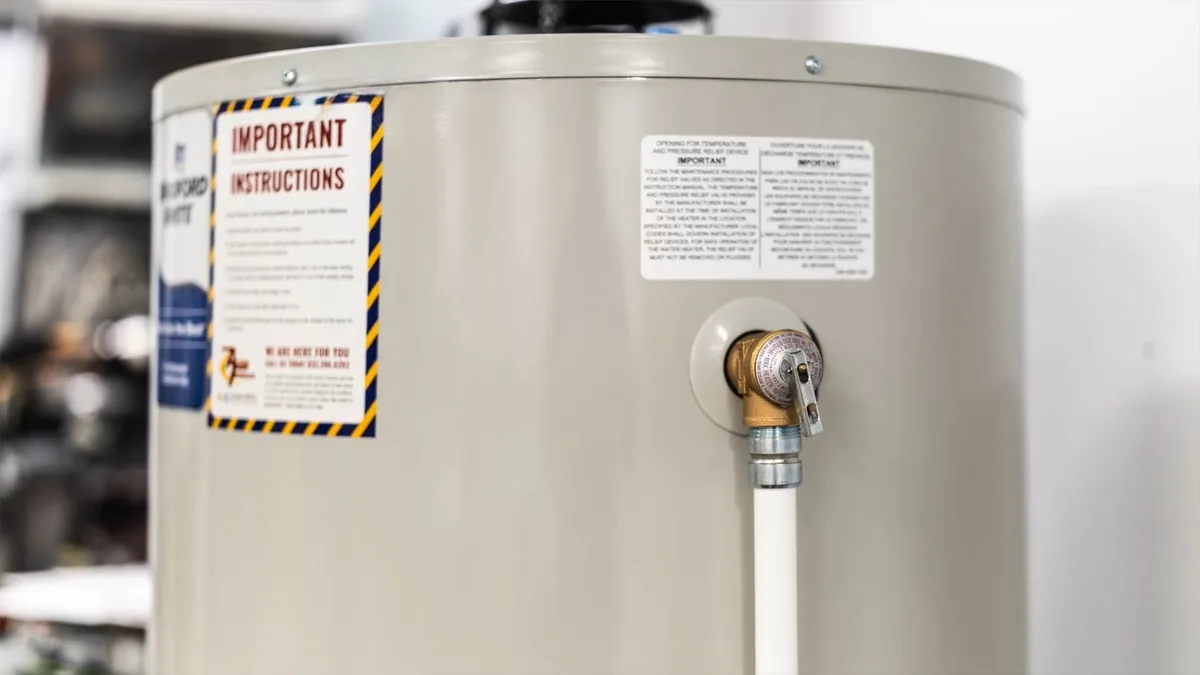
Where the water comes from decides everything. Wet connections above the tank, a dripping relief valve and a leaking drain valve are repairs. Water from the tank body means the steel has failed, usually from corrosion inside, and no repair will hold.
Do not leave the tank running while you decide. Shut off the supply, turn off power or gas and drain a few gallons if the tank is full of water that is already escaping. If the heater is old and the tank has failed, this is also the moment to discuss replacement and what it involves, including a permit and inspection.
No hot water this morning? Call and describe the heater
Say whether it is gas or electric and what the tank is doing. A plumber serving your area is sent where one is available.
Flushing, sediment and routine upkeep
Sediment settles at the bottom of any tank over time. It insulates the water from the burner or element, so the heater works harder, and it makes the tank rumble as trapped water boils through it. Manufacturers differ on how often to flush, and the manual for your unit is the right reference. If a heater has not been touched in years, a plumber should open the drain slowly, because old sediment can clog it.
Pilot, igniter, thermostat and element: the parts that wear out
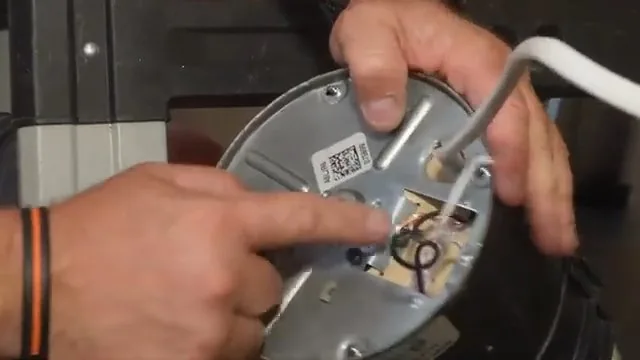
Many repair calls are small parts. A gas unit that will not stay lit often has a worn thermocouple or a dirty pilot. A newer gas model with an electronic igniter fails when the igniter or control board does. On electric units the heating elements and thermostats are the usual suspects, and a plumber can test each with a meter before replacing anything.
Noise is worth listening to. A rumble or pop points to sediment, a hiss to water hitting a hot surface, and a ticking pipe to expansion as the water heats. A heater that has stopped heating one morning after working fine the night before is a repair candidate. A heater that has been losing performance for months, with leaks beginning, is telling you about its age. Same-day and after-hours calls are handled through the 24/7 dispatch line.
Water around the base of the tank? Shut it off and call
Close the cold-water valve above the tank, turn off power or gas, and call.
Hot water systems with a boiler or loop: the plumbing side
Some homes make hot water through a boiler or a heating loop. Boilers and heating systems are a different trade, and this page does not cover boiler repair or heating installation. The plumbing side is separate: the expansion tank that absorbs pressure, the makeup water line, the relief valve and its discharge pipe, and the drain.
If you have a system like this and see water at the relief valve, a pressure gauge that climbs or a makeup line that runs constantly, a plumber can check those parts. The evidence for how common these systems are around Centennial is thin, so treat this section as a short note, not a service line.
Permits, licensing and what a replacement involves
Repairs and replacements are not treated the same. The Colorado State Plumbing Board's bulletin dated 3 December 2025 covers installing or replacing a water heater: the plumber must hold a state license and work for a registered plumbing contractor, and the job is permitted and inspected. Inside Centennial city limits the permit office is the Building Division on E. Arapahoe Rd., whose One-Stop process takes like-for-like water heater replacements.
Replacement is described in full on the water heater installation and replacement page, and the option without a storage tank on the tankless water heater page. If a leak from the heater has soaked a floor, the next page to read is water removal and drying.
Source
Colorado DORA State Plumbing Board bulletin, 3 December 2025; City of Centennial Building Division permit classifications.
Accessed 9 November 2026.
Water heater repair questions, answered
My water heater is leaking at the bottom. What is going on?
Water at the base usually has one of three causes: a loose or failed fitting on the pipes above, a valve that is dripping, or a tank that has failed from the inside. A leaking fitting or valve can often be repaired. Water coming from the tank body itself cannot be patched, and that tank needs replacing. Close the cold-water valve above the heater and turn off its power or gas before you call.
How do I decide between repairing and replacing my water heater?
Repair fits when the tank is sound and a part has failed, such as a thermostat, heating element, igniter or relief valve. Replace when the tank leaks, when the unit is near the end of its expected life, or when repairs have repeated. Ask the plumber for the age of the unit and what each path involves, so you are comparing the same things.
How long can a leaking water heater keep running?
Not long enough to wait: a leaking tank can fail suddenly and release the full volume of water, and a heater that runs with a leak can damage the floor and wiring around it. Shut off the supply and power or gas, then call. Even a slow drip is a reason to act the same day.
Can my water heater be repaired, and does the work need a permit?
Many problems can be repaired. Installing or replacing a water heater is different: the State Plumbing Board's December 2025 bulletin requires a licensed plumber who works through a registered plumbing contractor, and the work needs a permit and a local inspection. Within the City of Centennial the Building Division handles that, and its One-Stop permits include like-for-like replacement. The sources describe installs and replacements, so ask whether your specific repair needs a permit.
What steps are involved in flushing a water heater, and is it safe?
1. Turn off power or set a gas unit to pilot. 2. Close the cold-water supply. 3. Attach a hose to the drain valve and run it outdoors or to a floor drain. 4. Open a hot tap upstairs and the drain valve, and let the tank empty. 5. Close the drain, refill and restore power. One caution: the water is hot enough to scald, and a stuck drain valve is a reason to stop and call.
Water heater trouble in Centennial? Call the dispatch line
The line is answered 24/7 for leaks and no-hot-water calls. Describe what you see, and the dispatcher checks what a plumber serving your area can do at your address.
- Licensed and insured plumbers
- Same-day service when available
- 24/7 emergency dispatch