
24/7 Emergency Line Open
Repiping and Burst Pipe Repair in Centennial: Repair First, Repipe When Needed
A pipe that has burst, frozen or sprung a pinhole is an emergency first and a repair decision second. Once the water is off, the useful question is whether one section is bad or the whole system is wearing out. A plumber can answer that by looking at the pipe material, the number of past leaks and where they are, and the answer decides between a patch and a repipe.
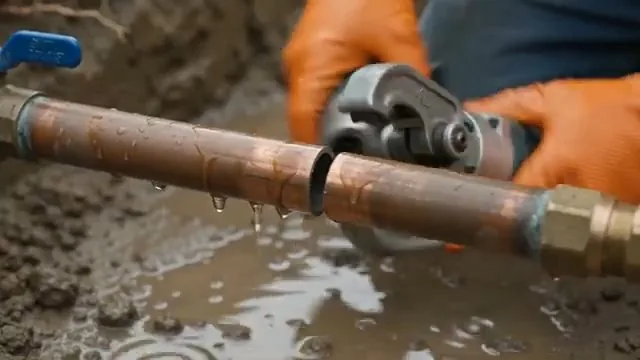
- Licensed and insured plumbers
- Same-day service when available
- 24/7 emergency dispatch
Whole-house repiping: when repair stops making sense
Repair is the right answer when one pipe has failed and the rest is sound. A repipe is the right answer when the pipe itself is the problem, so that the next leak is only a matter of time. The repair-vs-repipe honesty test is to count and place the leaks rather than to guess.
A plumber looks at the age and material of the pipe, how many repairs it has had, whether the water runs rusty or discolored, and whether pressure has dropped. That conversation should include the lower-cost option, a repair, whenever a repair is a real choice.
| What you see | Points toward | Why |
|---|---|---|
| One leak in a young pipe | Repair | The rest of the system is sound |
| Several pinholes in a few years | Repipe estimate | The metal is corroding through |
| Rusty water and low pressure | Repipe estimate | Galvanized pipe fills with scale from inside |
| Gray flexible plastic pipe from the 1978 to 1995 era | Plan a replacement | This pipe type failed often in homes of that age |
| A frozen section near an exterior wall | Repair, then insulate | The damage is local and the cause can be fixed |
Copper pipe leaks and pinholes: repair a section or replace the run
Copper lasts for decades, and when it fails it usually does so at a joint or as a pinhole along a stretch where water chemistry or flow has worn it. A pinhole is a small opening, but a pressurized one will spray a wall wet within hours.
A plumber cuts out the failed section and sweats in new copper or joins it to a push-fit or PEX transition. If the same run has several pinholes, replacing the whole run is better than patching each one. A pipe replacement of this kind is done section by section so the water can be back on the same day.
Gypsum-bearing soils can corrode buried metal pipe, according to the Colorado Geological Survey, which matters for copper and steel lines that run underground to the house.
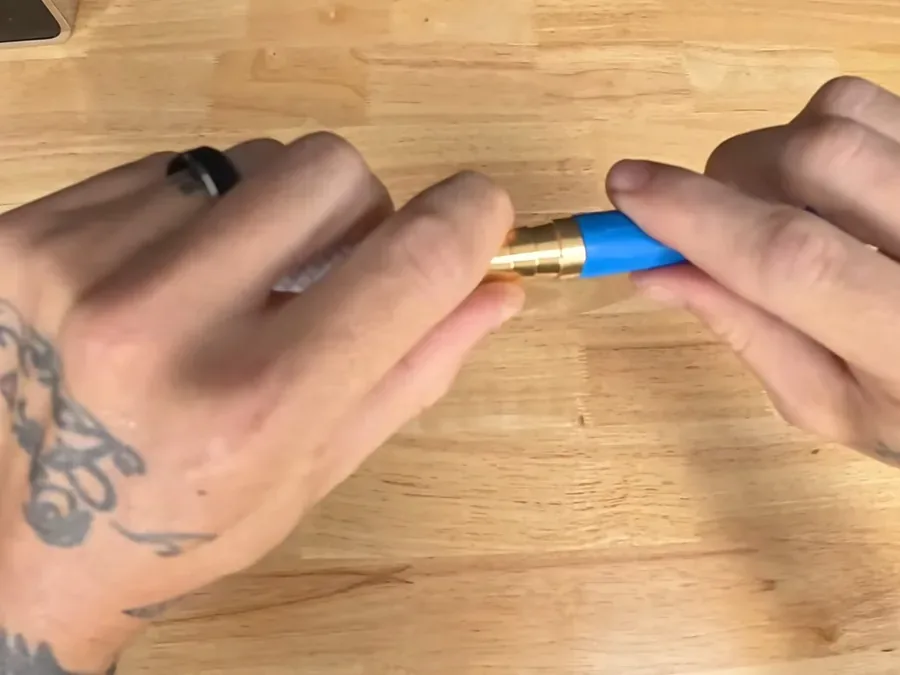
Pipe burst and water running? Shut the main and call now
Close the main shutoff, open a low faucet to drain the lines, and call. A plumber serving your area is sent where one is available.
Burst pipe: what to do in the first ten minutes
A burst pipe releases a large volume of water fast, and the first ten minutes decide how much of the house is wet afterward. The sequence below is what a plumber would tell you on the phone.
- Close the main shutoff valve, usually where the supply pipe enters the building.
- Open the lowest faucet and the highest one to drain the lines and relieve pressure.
- Turn off electricity to any wet room at the breaker, only if you can reach it without standing in water.
- Move belongings away from the wet area and photograph the damage for your records.
- Call the dispatch line, listed on the emergency plumber homepage, and describe where the water is coming from.
Do not touch electrical outlets, appliances or the panel while standing in water. If the water is near the electrical panel or the ceiling is sagging with water above it, stay out of that room and call for help.
Once the pipe is repaired, wet drywall, flooring and framing need to be dried. That is a separate job, and the water removal and drying page explains how it works.
Frozen pipes: thaw safely and stop the next one
Colorado cold is not hypothetical. The Denver Gazette reported that, in the January 2024 polar vortex, Denver firefighters took roughly 600 calls on one Monday, mainly for burst pipes. The record cold of February 2021 caused bursts across the metro, as the Denver Post reported.
Pipes freeze where they run through unheated space or along exterior walls, and the damage often shows up as the ice melts. If a faucet runs slowly or not at all in cold weather, a pipe may already be frozen. Open the tap, warm the area with a hair dryer or a space heater placed safely away from anything flammable, and never use a torch or open flame.
Long-term fixes are mostly simple: insulate pipes in crawlspaces and garages, seal gaps where cold air enters, and let a faucet drip in a hard freeze. If a pipe has already split, the repair is the same as for any burst pipe.
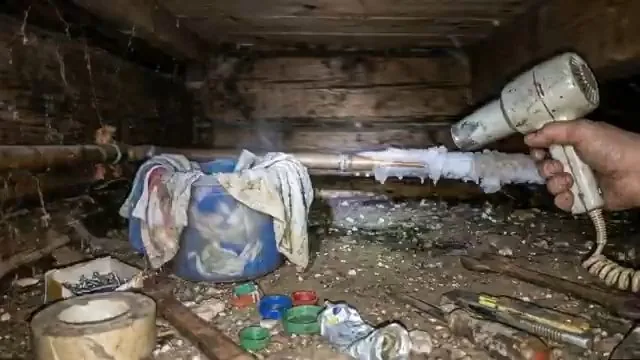
Frozen pipe and no water? Call before it thaws on its own
Tell the dispatcher which pipes are frozen and whether any are split. Waiting for a thaw can turn a crack into a flood.
Galvanized, polybutylene, cast iron and plastic: what pipe do you have
Pipe material tells a plumber what to expect and what to recommend. Galvanized steel corrodes from the inside and slowly chokes the flow. Polybutylene, a gray flexible plastic used in homes built from about 1978 to 1995, is known for splitting. Because many homes in the Centennial area date from the 1970s through the 1990s, it is worth looking at the pipes near the water heater and the main shutoff to see what you have.
Cast iron and PVC or CPVC are common in drains and some supply lines. PEX is the flexible plastic pipe most often used now for supply repiping, because it bends around corners and needs fewer joints. PEX pipe installation, pipe installation and repair of failed runs, and whole-house repiping with pipe repair where it fits are all part of the same conversation. A repipe quote should name the pipe it uses and describe how the old pipe is removed or abandoned.
Underground and under-slab pipes: when the leak is out of sight
A pipe that runs under a slab or through a yard can leak for a long time before anyone sees it, and the clues are indirect: a warm spot on the floor, the meter that keeps moving, a damp patch outside. Finding it is a detection job first, covered on the slab leak detection page for floors and on the water line repair page for the line from the street.
The choice for an under-slab pipe is between breaking the slab at the leak, rerouting the line through walls or the attic, or lining the pipe where that is possible. A plumber should explain why one fits your house rather than defaulting to the same method every time.
Repiping and pipe repair questions, answered
My pipe burst. What should I do in the first few minutes?
Close the main shutoff valve, then open the lowest faucet in the house so the lines drain. Turn off the power to any room where water is near outlets or the electrical panel. Move valuables out of the way and take photos for your records. Then call the dispatch line, because a plumber has to find the failed section, and wet materials need drying within a day or two.
Do I need a plumber for a cracked or broken pipe, or can I patch it?
A clamp or push-fit coupling can stop a drip until a plumber arrives, but it is a temporary measure. A crack usually means the pipe has been stressed by cold, corrosion or pressure, and the area around it may be weak too. A plumber cuts out the damaged section, checks the neighboring pipe and replaces it with a lasting repair.
What are pinhole leaks and do they mean the whole house needs new pipes?
A pinhole leak is a tiny opening in a metal pipe, often copper, that sprays or seeps under pressure. One pinhole in an otherwise healthy system is a repair. Several in different places in a few years point to corrosion working through the system, and that is when a repipe estimate is worth requesting.
Is a frozen pipe an emergency?
Yes. Ice can split a pipe, and the leak often begins as it thaws. Open the faucet, shut the main if you see water, and call before the pipe thaws. Never use an open flame to thaw it. Denver Water publishes freeze-protection tips for exposed lines.
PVC, cast iron or copper: how do I tell which pipe I have?
Copper is rigid and reddish-brown, PVC is white or gray plastic, and cast iron is dark, heavy and used for drains rather than supply. Supply lines in an older house may also be galvanized steel, which is gray and threaded. A plumber can identify the material at a glance and tell you whether it is a candidate for repair or replacement.
Burst or leaking pipe in Centennial? Call the dispatch line
The line is answered 24/7. Say where the water is coming from and what you have shut off, and the dispatcher checks what a plumber serving your area can do.
- Licensed and insured plumbers
- Same-day service when available
- 24/7 emergency dispatch