
24/7 Emergency Line Open
Faucet and Toilet Repair in Centennial: Leaks, Running Toilets and Fixture Installs
A dripping faucet, a toilet that runs all night or a shower valve that will not shut off feels small until the bill or the floor says otherwise. Most fixture trouble comes from a handful of worn parts, and a plumber can usually tell which one in a few minutes. The harder calls are leaks inside the wall, old shutoff valves that will not close, and remodels that move a fixture to a new spot.
- Licensed and insured plumbers
- Same-day service when available
- 24/7 emergency dispatch
Toilet repair: running, weak flush, rocking and leaking at the base
Most toilet problems start inside the tank. A flapper that has lost its seal, a fill valve that sticks, a chain that is too tight or too loose, and a float set too high account for most running and weak-flush calls. All of them are small parts and a short visit.
A toilet that rocks or leaks at the base is a different problem. The wax ring or the flange underneath has failed, and water is reaching the floor. That repair means lifting the toilet, replacing the seal, and checking the flange and the subfloor for damage. A toilet that keeps clogging is more likely a drain issue, covered on the drain cleaning page.
| Symptom | Usual cause | Typical fix |
|---|---|---|
| Runs or refills by itself | Worn flapper or fill valve | Replace the part and reset the float |
| Weak or slow flush | Low tank water, clogged rim holes or a partial clog | Adjust, clean the ports or clear the trap |
| Rocks on the floor | Loose bolts or a failed seal | Reset the toilet with a new wax ring |
| Water at the base | Failed wax ring or a cracked bowl | Pull, reseal and inspect the floor |
| Leaks from the tank bolts | Rusted or loose tank hardware | Replace bolts and rubber washers |
Toilet installation and replacement
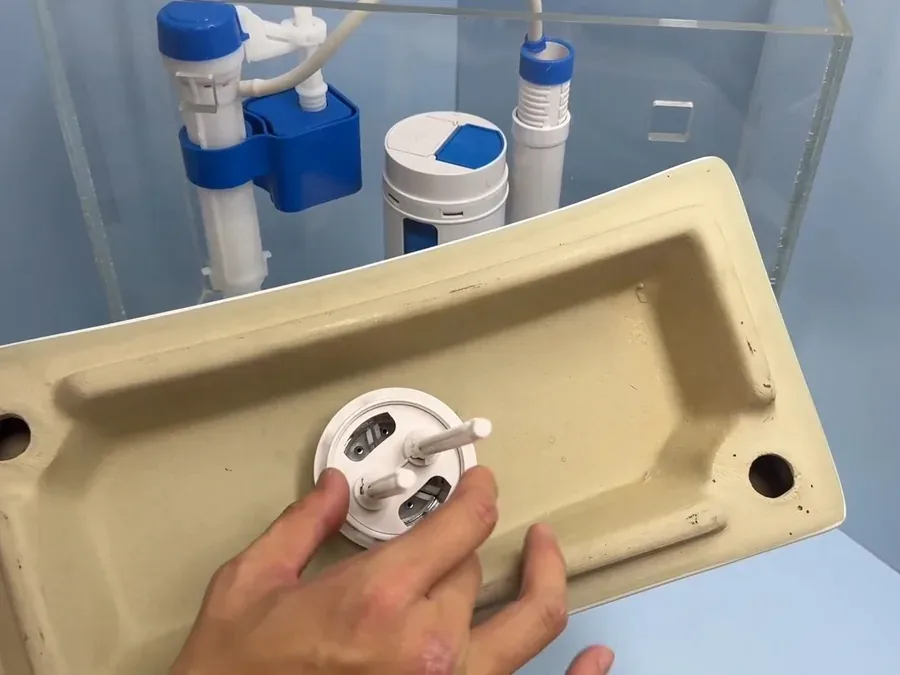
A new toilet is a matter of the right rough-in distance, a sound flange and a level floor. Measure from the wall to the center of the drain before buying, and match it to the model. A dual-flush toilet uses two flush volumes for liquid and solid waste, and it fits the same drain.
The plumber sets a fresh seal, bolts the toilet down evenly, connects a new supply line, and tests the flush and the base for leaks. Relocating a toilet is plumbing work in a different class, because the drain has to move with it.
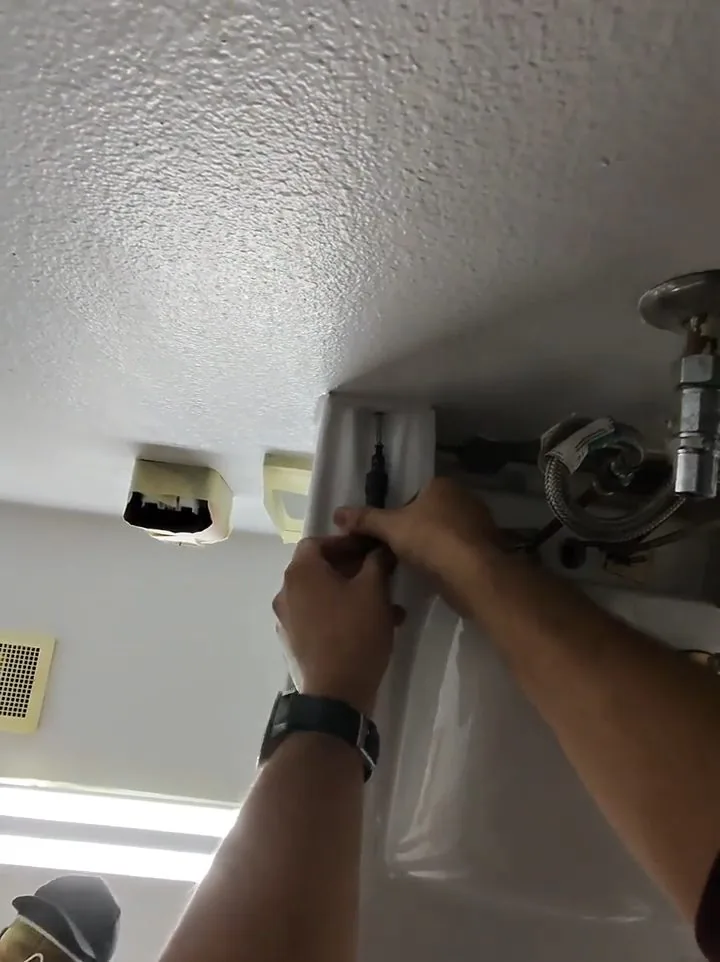
Toilet overflowing or a fixture gushing? Shut the valve and call
Close the angle valve under the fixture or the main shutoff, then call. A plumber serving your area is sent where one is available.
Faucet repair, installation and replacement
A dripping faucet is a worn cartridge, washer or seat. A stiff handle or low flow points to mineral buildup in the aerator or cartridge. Many leaks are fixed with a part rather than a new faucet, and a plumber can say which makes sense for the age of yours.
When a faucet is replaced, the supply lines and shutoff valves under the sink should be checked at the same time. A new faucet connected to a corroded valve invites a leak, and the valve is the part that is hard to replace once the cabinet is full again.
Kitchen faucets share the sink with the disposal, so a leak under the sink may come from either. The garbage disposal page covers that side.
Kitchen sink, bathroom sink and vanity plumbing
Sinks involve a drain assembly, a trap, supply lines and valves, and a leak at any of them looks like a leak at all of them. The fastest check is to dry everything, run the water and watch where it first appears.
A bathroom vanity swap often means resetting the drain and the supply, and a new vanity can change where the plumbing meets the wall. Ask the plumber to confirm the drain height before the cabinet is set, since a drain that sits too low or too high causes slow draining that no cleaning will fix.
Planning a remodel with new fixtures? Call and describe the rough-in
Say which room, which fixtures and whether you are moving any of them.
Bathtub, shower valve and tub leaks
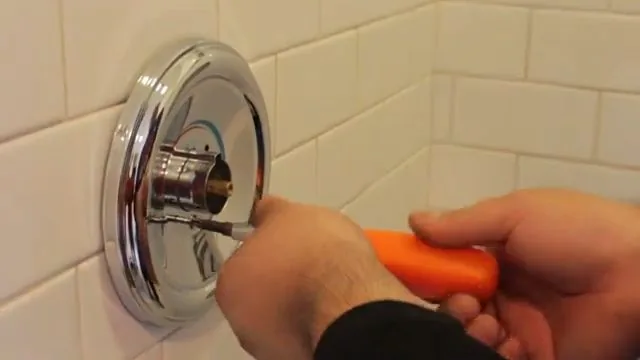
A shower that drips after it is off, a handle that will not hold temperature, or a stain on the ceiling below a bathroom all point at the valve or the drain. Cartridge replacement is the usual fix for the valve, and a plumber needs to reach it through the trim or the back of the wall.
Tub leaks are tougher, because the water often shows up elsewhere. A leak at the overflow, the drain or the waste can wet the floor below without any sign in the bathroom. A plumber can test the drain by filling the tub and watching the area below.
A shower or tub that leaks into the ceiling below can saturate insulation and drywall quickly. Turn off the water supply to the fixture, keep the room dry, and call before the ceiling sags. If water is near light fixtures, stay out of the room.
Shutoff valves, supply lines and outdoor faucets
The small valves under every fixture are the ones you need in an emergency, and the ones that most often fail when asked to move. An angle valve that does not turn is worth replacing before the day it matters. Braided supply lines last longer than old chrome ones but still age.
An outdoor faucet that leaks inside the wall in winter is a frozen-pipe problem waiting to be found. Disconnect hoses before the first freeze, and have a plumber look at any hose bib that drips with the handle off.
Remodel rough-in, appliance hookups and specialty installs
Plumbing system upgrades and remodel plumbing are done twice: once to rough in the pipes before the walls close, once to set the fixtures at the end. Bathroom and kitchen remodels, a tub-to-shower change, a wet bar, a laundry room, an ADU bath, a bidet or a washer, dishwasher or ice maker connection all follow that pattern.
Tell the plumber about the layout early. Moving a fixture means moving a drain, and a drain needs a path and a slope. A plumber who sees the plan before the framing is closed can often save a second trip by roughing in extra valves and capped lines.
Faucet, toilet and fixture questions, answered
My toilet runs on its own. What is causing it?
Picture a toilet that refills every few minutes with nobody near it. The usual cause is a flapper that no longer seals, so tank water leaks into the bowl and the fill valve tops it up. Less often the fill valve or the float setting is at fault. A worn flapper is a small repair, and a plumber can also check the supply line and the shutoff valve in the same visit.
What does it mean when a toilet keeps running?
Water is moving somewhere it should not. It is either leaking from the tank into the bowl or the fill valve is not shutting off. The sound and the pattern tell the cause, and dye added to the tank shows whether the flapper leaks. Running water wastes a lot in a day, so it is worth fixing soon.
How is a shower or tub installed or replaced?
The plumber shuts off the water, removes the old valve or tub, sets the new valve at the right depth and tests it before the wall is closed. A tub-to-shower conversion needs a new drain connection and sometimes a new valve. The wall work and tile belong to a separate trade, so ask who handles each part.
Can rusted toilet tank bolts be removed and resealed?
Yes. Rusted bolts are common, and they often seize. A plumber can cut them out without cracking the porcelain, then fit new bolts and washers so the tank sits tight and does not leak. If the tank is cracked, a replacement is the better path.
Do I need a plumber to replace a faucet or shutoff valve?
A simple faucet swap is within reach for a handy homeowner. Shutoff valves are different, because an old angle valve that will not turn can break and flood the cabinet. If a valve is stiff or corroded, have a plumber replace it with the fixture and test it before you leave it.
Fixture trouble in Centennial? Call the dispatch line
The line is answered 24/7. Describe the leak, the fixture and what you have shut off, and the dispatcher checks what a plumber serving your area can do.
- Licensed and insured plumbers
- Same-day service when available
- 24/7 emergency dispatch