
24/7 Emergency Line Open
Slab Leak Signs in Centennial: Emergency Detection and Repair
One spot on the floor feels warm in bare feet, or the house is quiet and you can still hear water running. Both can point to a pressurized line under the floor, and both are worth a call the same day. Before anyone breaks concrete, though, the first job is confirming what your house is built on and proving where the water is going.
- Licensed and insured plumbers
- Same-day service when available
- 24/7 emergency dispatch
Confirm what you have first: slab, crawlspace or basement
Before anyone talks about slab leaks, confirm your foundation. Pipes run in different places in different houses, and a leak search that starts from the wrong assumption wastes time. A permit record, the original plans or a quick look from the garage, the basement or the crawlspace entry will usually settle it.
| Foundation | How to tell | Where supply lines usually run |
|---|---|---|
| Slab on grade | No basement or crawlspace, floors sit on concrete | Under the concrete or in the walls and attic, depending on the house |
| Crawlspace | A hatch or vent opening under the house | Hanging below the floor, reachable from underneath |
| Basement | A level below the main floor, often with a utility area | Overhead in the basement ceiling or along the walls |
If you have a crawlspace or basement, many leak searches stay above ground and the general leak detection page applies. This page is for houses where the supply lines may sit in or under concrete.
How do you locate a leak under a concrete slab?
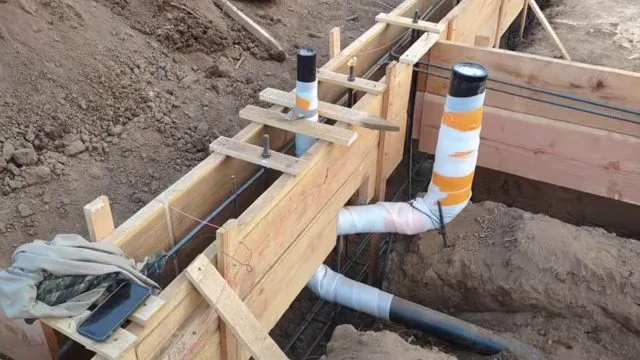
Detection works by elimination. A plumber closes the main shutoff and checks that the meter stops, which tells you whether a leak exists. Then each line is isolated and pressure tested, hot separately from cold, so the search narrows to one run of pipe.
Next comes listening and mapping. Electronic gear picks up the hiss of escaping water through the floor, thermal imaging shows warmth from a hot line, and the location is marked on the surface before any work. Marking first is what keeps the opening small.
- Shut the water off at the main and check the meter.
- Test hot and cold lines one at a time to see which one holds pressure.
- Listen and image along the suspect run to pinpoint the leak.
- Mark the spot on the floor and photograph it for your records.
- Choose the repair only after the plumber explains the options.
Warm floor or running water sounds? Call before it spreads
Tell the dispatcher what you hear and feel. A plumber serving your area is sent where one is available.
What does a slab leak do to the concrete and ground around it?
Water that escapes under a house does not stay put. It wets the soil under the slab, and in soil that swells when wet, that can lift or crack a floor over time. The Colorado Geological Survey calls expansive soil the state's most significant geologic hazard, and says Front Range cities sit on swelling soils and shales. A long running leak under a floor is one way to give that soil more water than it should have.
Two sourced facts about the ground
The Colorado Geological Survey says a leak that wets soil under a slab or foundation can cause heave. Its materials also note that gypsum-bearing alkali soils can corrode buried metal pipe.
Source: Colorado Geological Survey, expansive soil and soil corrosion materials. Accessed 9 November 2026.
This page does not claim that any Centennial street has a particular foundation or pipe type, because no source ties a local pattern to your address. What it does say is that a leak you ignore will keep feeding the ground, and the fix for that is detection, not guessing.
Slab leak repair: start from the symptom, then pick the method
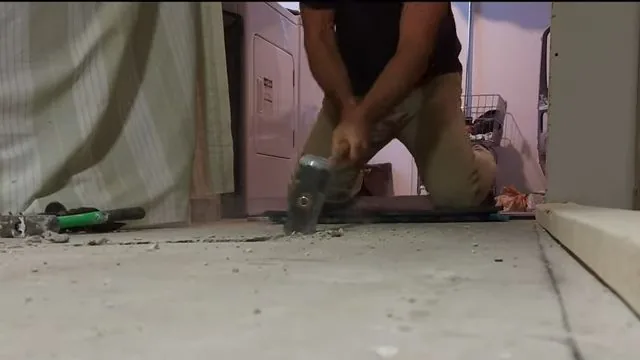
Repair choices depend on what the test found and how the house is built. The right option is rarely the one with the smallest bill on paper, so ask the plumber to explain the trade-off for your floor.
| Method | Fits when | Trade-off |
|---|---|---|
| Spot repair through the slab | One leak, clear access, floor can be opened | Breaks concrete and finished flooring over the spot |
| Reroute through walls or attic | Several leaks, or old pipe in poor shape | New line runs elsewhere, opens walls instead of floors |
| Epoxy or pipe lining | Pipe is intact enough to hold a liner | Not every run or size is suitable |
| Tunnel under the slab | Leak is deep, floor must stay closed | Takes more time and equipment |
Do not run a hot water tap to test the floor, and keep children and pets off a floor that is warm and wet. If water is spreading toward outlets or the panel, leave the room and say so on the call.
Think the leak is under the floor? Get it confirmed
A plumber can isolate the line and test it before any concrete is opened.
Insurance questions and what the plumber can document
Plumbing work and an insurance claim are separate conversations, and this site cannot say what a policy covers. What the plumber can do is write down what was found, where, and how it was confirmed, and take photos of the opened area. Keep those records and call your insurer before major work, since many policies have steps that must happen first.
If water has already soaked flooring or drywall, drying is its own job. The water removal and drying page covers it, and a leak that has been running for weeks is the usual reason it comes up. When a house has had more than one leak, the question of rerouting or replacing the supply lines comes with it, and a leak out in the yard belongs with service line replacement.
Slab leak questions, answered plainly
My floor is warm in one spot and the house is otherwise cool. Is that a slab leak?
It can be. Picture a hallway where the same patch of tile feels warm every morning even though the heat is off. A hot water line leaking beneath it can warm the concrete above. Close the main shutoff and watch the meter, and check whether the warm spot cools. If the meter moves with everything off, a plumber should confirm the location before any work, because a warm floor can also come from ductwork or sun through a window.
Do I need a plumber for a slab leak, or can some of it wait?
Now: shut the main shutoff if you hear water running, call a plumber, and move belongings off wet flooring. Soon: schedule detection to confirm and locate the leak, because a slow leak keeps wetting the ground under the house. It can wait only if a meter test shows no flow. Digging or breaking the floor yourself should never be part of the plan.
What are the usual slab leak symptoms and what causes them?
The usual symptoms are a warm or damp patch on the floor, the sound of running water when everything is off, a water bill that rises with no change in habits, low pressure, and a musty smell. Causes include pipe that has corroded or been abraded, a fitting that has failed, and ground that shifts around the line. None of these proves a slab leak on its own, so a test comes first.
How can I tell a slab leak from a leak in the wall or the yard?
If the leak is in a wall, the damp or stain shows on that wall or the ceiling below, and a plumber can often find it with listening gear from the surface. If it is in the yard, the lawn is soggy or the street side of the meter reads higher. A slab leak is the pick when the floor itself is warm or wet and the other two do not fit. Isolating each line and testing it settles the question.
Suspected slab leak in Centennial? Call the dispatch line now
The line is answered 24/7. Describe the warm spot, the sound or the bill, and the dispatcher confirms what a plumber serving your area can do for your address.
- Licensed and insured plumbers
- Same-day service when available
- 24/7 emergency dispatch